
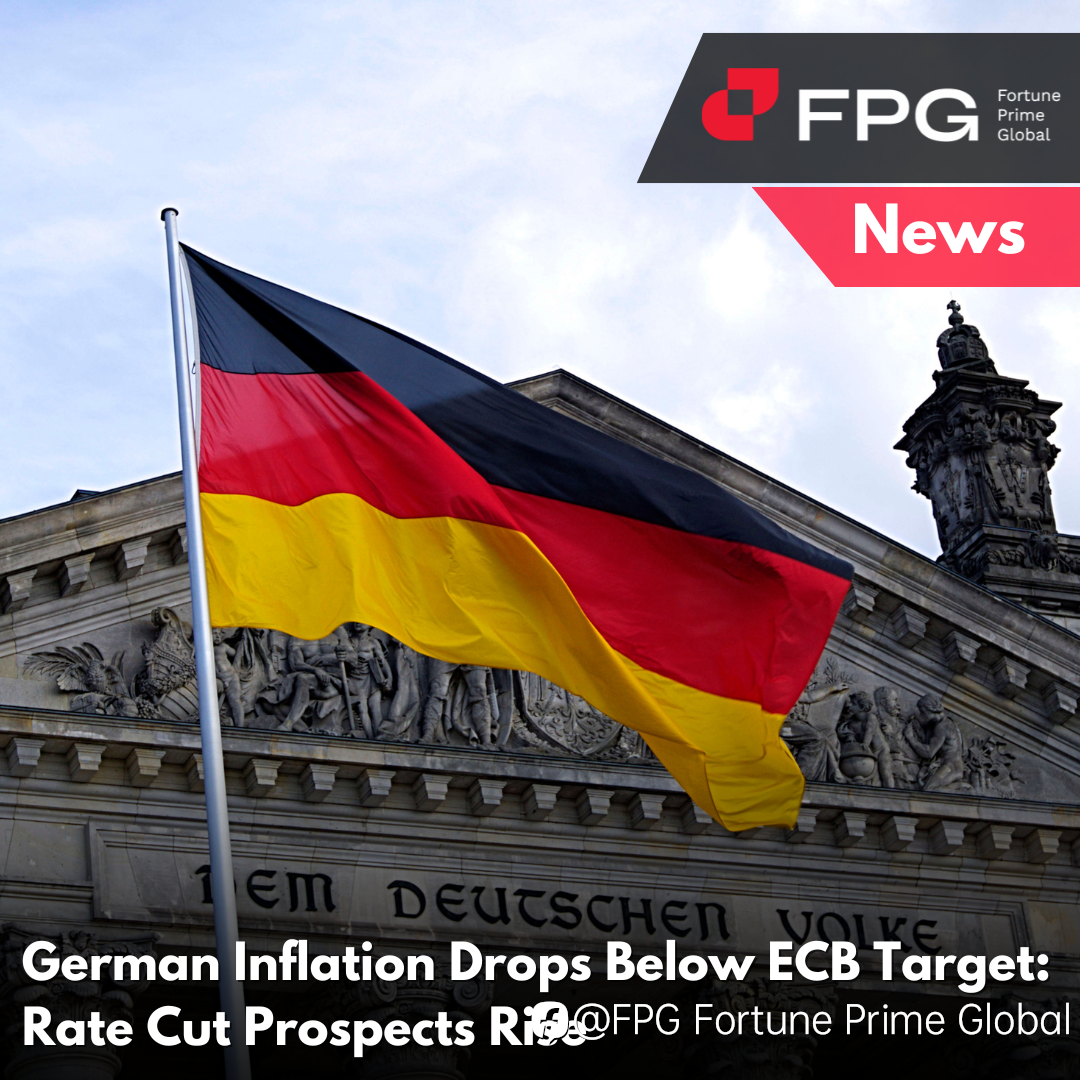
German inflation dropped more than expected in August, falling below the European Central Bank's (ECB) target, which significantly increases the likelihood of a key interest rate cut at the ECB's upcoming September meeting. According to the German statistics office Destatis, consumer prices rose by 1.9% compared to August last year, down from 2.3% in July. This marks the lowest inflation rate since March 2021 and is below the consensus forecast of 2.1%.
The cooling inflation adds pressure on the ECB to reduce rates next month, following its decision to cut the deposit rate in June for the first time since 2019. ECB policymakers have emphasized the need for concrete evidence of sustained reductions in inflationary pressures, particularly in areas like wage growth, before making further rate adjustments.
Despite the headline inflation drop, inflation in the services sector remains elevated, holding steady at 3.9%. Core inflation, which excludes volatile energy and food prices, only slightly decreased to 2.8% in August from 2.9% in July, indicating persistent underlying inflationary pressures.
However, any potential ECB rate cut may arrive too late to prevent further economic downturns. Germany's economy contracted in the second quarter, and recent survey data suggests that both consumers and businesses are not optimistic about a near-term recovery. The current economic climate may compel the ECB to act sooner rather than later to support the eurozone’s largest economy.
As the September meeting approaches, all eyes will be on the ECB’s response to these latest inflation figures and the broader economic challenges facing Germany and the eurozone.
Read our other insightful economic news:
https://bit.ly/FPGGlobalEco
#FPG #Fortuneprimeglobal #commodity #equity #technicalanalysis #technology #news #investors #intraday #investing
면책 조항: 본 게시글에 표현된 견해는 전적으로 작성자의 견해이며 Followme의 공식 입장을 대변하지 않습니다. Followme는 제공된 정보의 정확성, 완전성 또는 신뢰성에 대해 책임을 지지 않으며, 서면으로 명시적으로 언급되지 않는 한 해당 내용을 기반으로 취해진 어떠한 조치에 대해서도 책임을 지지 않습니다.