

Mainland Chinese and Hong Kong stocks rallied this week after the US and China agreed to hold further talks on AI. The Trump administration maintains export controls on the most advanced chips to Beijing.
Investors seeking to diversify beyond crowded AI trades in Korea and Japan are increasingly seizing on Chinese equity derivatives.
According to BofA, the primary catalysts include continuous capital-market reforms that promote a steady bull market, progress in technological self-reliance, and a brightening earnings trajectory across hardware industries.
"We've seen growing investor interest in China A-share upside strategies in recent months … as questions emerge around valuations," said Kaanhari Singh, head of Asia Pacific equity-flow derivatives sales at Barclays.
BNPP analyst says that given China's unique self-contained ecosystem, onshore equities provide a vastly different type of AI exposure, offering a natural hedge and distinct diversification away from the crowded global AI trade.
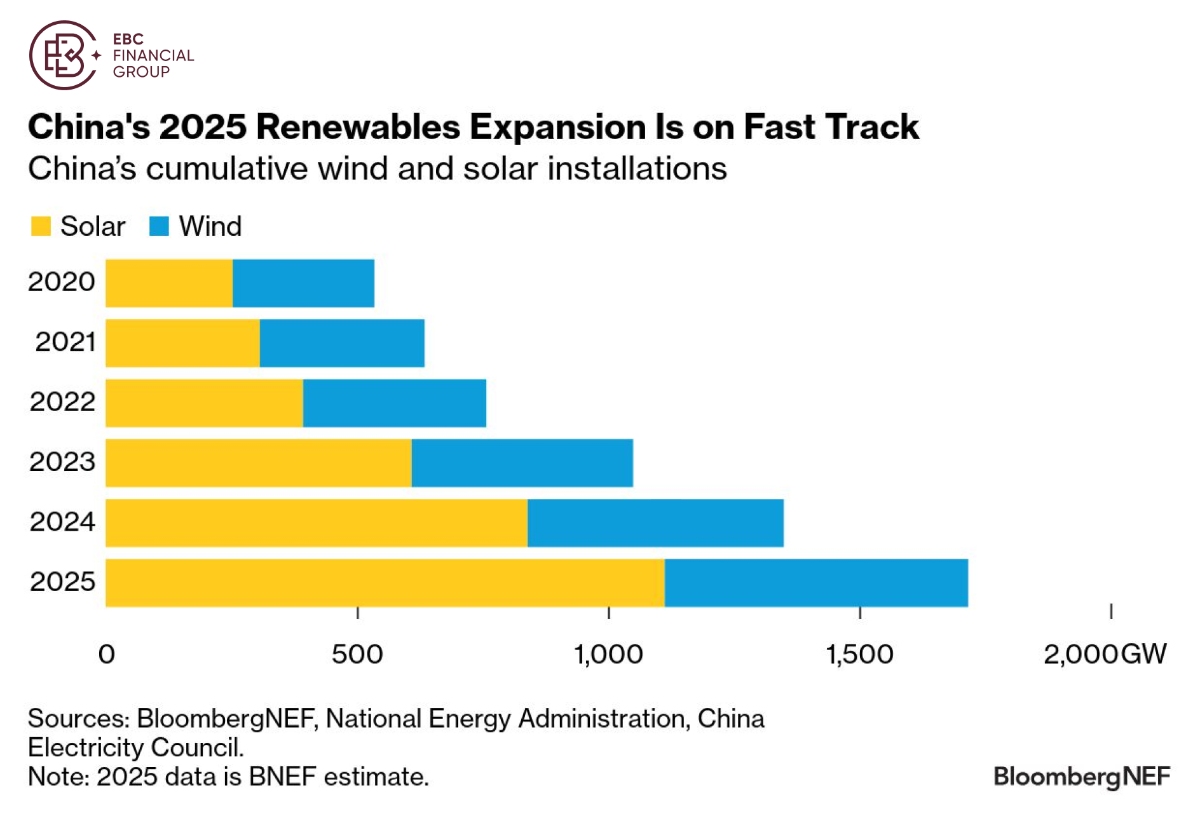
The Asian country is establishing a technological hub in Ulanqab, marking its latest push to relocate computing power to inland regions. The massive green energy surplus helps subsidize less efficient local hardware.
However, A Rhodium Group analysis reveals that China's top AI firms collectively make just 10% of OpenAI's revenue, casting fresh doubt on current industry's stretched valuations.
Flood of equity issues
A surge in equity offerings from Chinese AI companies in Hong Kong is weighing on the stock market. Investors caution that the IPO boom is diluting market liquidity and diverting funds from proven corporations.
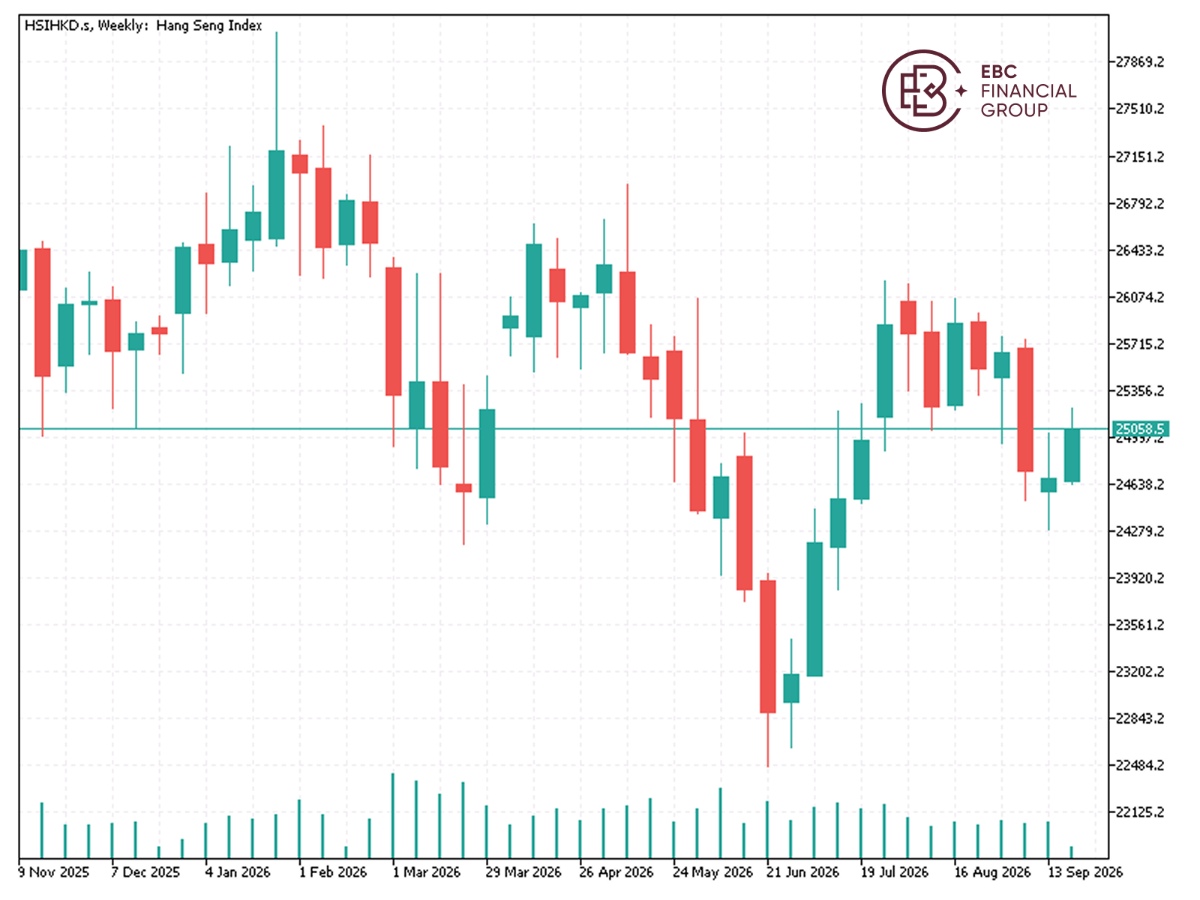
The Hang Seng Index (HSIHKD) has notched a moderate loss in 2026, making it the worst performer among major stock indices. Both Alibaba Group (BABA.N) and Tencent Holdings were down significantly despite the overall trend.
Unlike US peers that are already generating clear subscription and software revenue from AI, the two companies heavily invest without seeing a quick return with a limited overseas presence in their AI business.
Listing in Hong Kong appears the only viable funding option for many Chinese companies due to tightening credit conditions at banks and restrictive regulatory approvals for domestic IPOs.
The newly floated firms are mostly unprofitable. Over the course of this year, the count of these deficit-ridden entities has expanded based on their trailing 12-month net income.
Mainland Chinese investment in Hong Kong has "really fallen away", said John Woods, chief investment officer for Asia at Lombard Odier. "On a relative attraction level, Hong Kong is losing out to more AI-oriented thematics on the mainland."
Hang Seng Indexes Company relies on lagging indicators like massive market cap, so it continues to miss the mark. Many of Hong Kong's top-performing AI equities were left out of the Hang Seng Tech Index for most of the year.
Safety net
Analysts believe that Beijing's plan to recapitalize major state-owned insurers will relieve the capital limits and solvency constraints that have previously kept them from injecting more into stocks.
Three state lenders and five insurers will get a combined 360 billion yuan from state institutions, according to officials. The amount is well below than the 200 billion yuan expected earlier, said Citi.
Analysts note that China's banking sector continues to endure a multiyear squeeze on profit margins, driven by Beijing's directives for lenders to offer affordable credit to distressed borrowers.
Similarly, the solvency ratio of the insurance sector dropped to 180.6% at the end of Q2, from 204.5% last year, though higher than the regulatory requirement of 100%.
Macquarie's chief China economist notes that the measure will likely yield minimal short-term economic benefits, arguing that tepid borrowing demand is the primary bottleneck restricting lending.
Still, the funding is expected to put a floor under financial valuations. Consequently, the sector will continue to be viewed as a bunch of highly resilient, low-growth, and high-yield defensive assets.
Chinese financial stocks are on track for a 3rd straight year of gains, yet their dividend yields maintain a wide premium over 10-year government bond yield, which is set to brace the iShares CHINA LARGE-CAP ETF (FXI.P).
EBC Financial Group Disclaimer: This material is for general information purposes only and is not intended as (and should not be considered to be) financial, investment or other advice on which reliance should be placed. No opinion given in the material constitutes a recommendation by EBC Global Financial Collaboration or the author that any particular investment, security, transaction or investment strategy is suitable for any specific person.
면책 조항: 본 게시글에 표현된 견해는 전적으로 작성자의 견해이며 Followme의 공식 입장을 대변하지 않습니다. Followme는 제공된 정보의 정확성, 완전성 또는 신뢰성에 대해 책임을 지지 않으며, 서면으로 명시적으로 언급되지 않는 한 해당 내용을 기반으로 취해진 어떠한 조치에 대해서도 책임을 지지 않습니다.

