


· Views 47,267
Market Review:
Global financial markets faced a sharp surge in geopolitical risk on June 10–11 as the US-Iran conflict crossed a critical threshold, moving from prolonged diplomatic friction into direct military exchanges. With the Strait of Hormuz now under threat, energy markets, safe-haven assets, and major currency pairs are all repricing in real time.
From Diplomatic Breakdown to Military Strikes in 24 Hours
Earlier in the day, Iran's Foreign Ministry was still talking to Washington for ceasefire violations and saying they needed to "re-assess" negotiations. Meanwhile, Trump was posting that a deal was close, but Iran kept stringing the US along.
By late June 10, US CENTCOM announced it had launched attacks on multiple targets inside Iran. Iran didn't wait long to respond. The IRGC declared the Strait of Hormuz closed to all ships, including oil tankers, and warned that anything trying to pass through would be targeted. Just hours later, Iranian drones were heading toward the US Navy's Fifth Fleet in Bahrain.
CENTCOM disputed the closure, confirming ships were still transiting normally. With both sides telling a different story, markets were left trading in the gap between two conflicting realities.
Trump confirmed he spoke directly with Iranian officials. It means neither side has completely slammed the door shut, even while trading fire.
Market Reaction: Oil Up, Gold Down, Dollar Softens
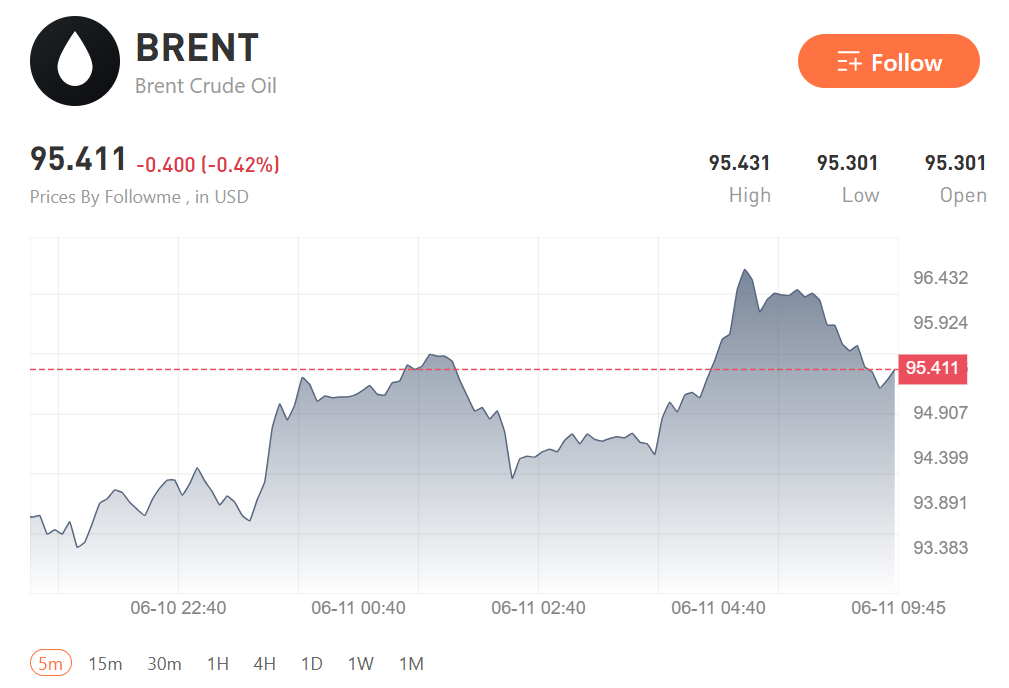
Oil went up wasn't surprising. WTI pushed toward $95.41 as traders started pricing in the very real possibility that one-fifth of the world's daily oil supply could get caught in a conflict zone.
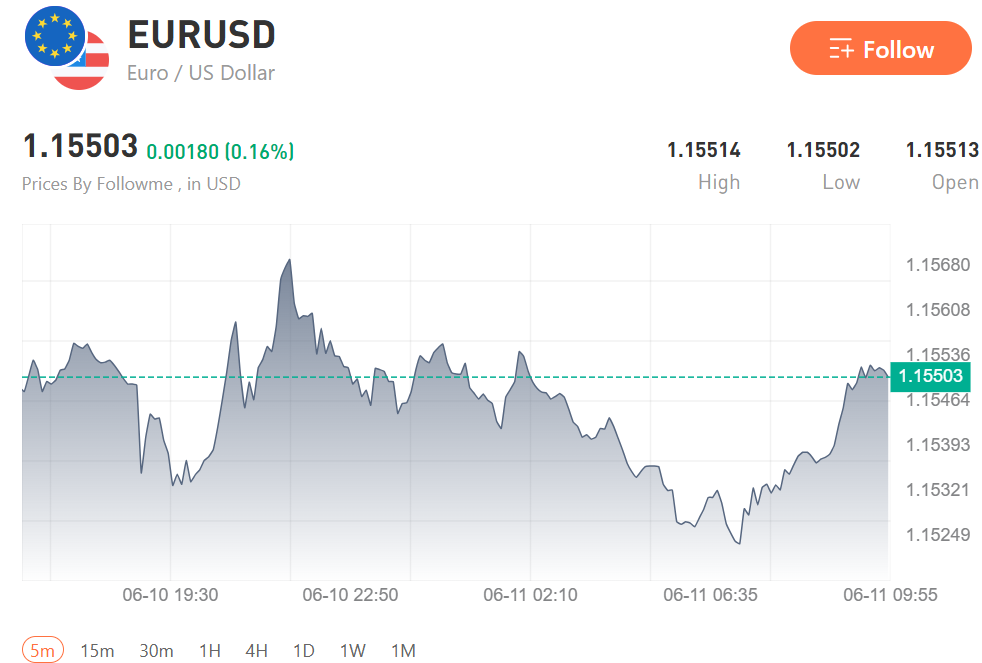
The US dollar is weakened, with EUR/USD climbing toward 1.1550. This reflects the market's growing concern over inflation and rate paths rather than traditional safe-haven dollar demand.
What Traders Should Watch This Week
This isn't a situation where you set it and forget it. Things can shift on a single headline. Here's where to keep your eyes:
-
XAU/USD — Gold is stuck between safe-haven demand and rate pressure. $4,099 is the line in the sand right now
-
Brent Crude / WTI — If a commercial ship actually gets hit in the Strait, expect a very disorderly spike
-
USD/JPY — Yen is getting mixed signals between risk-off flows and a softer dollar
-
EUR/USD — Thursday's ECB decision could push this pair meaningfully higher if they hike
-
U.S. equity indices — Energy and defense are holding up; anything high-multiple tech is still exposed to sharp drops on bad headlines
The most important thing to watch isn't even the price level. It's whether Iran says anything about the status of nuclear talks, and whether Trump's direct line to Tehran actually produces something concrete.
The diplomatic door is still open. Until a formal ceasefire is confirmed by both sides, elevated volatility is expected to persist and risk management should remain a top priority.
In volatile periods like this, the edge doesn't belong to the fastest reaction. It belongs to the traders who understood the macro picture before the headlines broke.
Follow us for daily market insights, analysis, and the tools you need to trade with confidence.




Want to stay ahead of major macro developments that move the Forex market?
👉Follow Followme and check out the Weekly Economic Calendar
Download Followme Application
Follow us on:
면책 조항: 본 게시글에 표현된 견해는 전적으로 작성자의 견해이며 Followme의 공식 입장을 대변하지 않습니다. Followme는 제공된 정보의 정확성, 완전성 또는 신뢰성에 대해 책임을 지지 않으며, 서면으로 명시적으로 언급되지 않는 한 해당 내용을 기반으로 취해진 어떠한 조치에 대해서도 책임을 지지 않습니다.
이 글이 마음에 드시나요? 작성자에게 팁을 보내 감사의 마음을 전하세요.

