


· Views 36,444
Market Review:
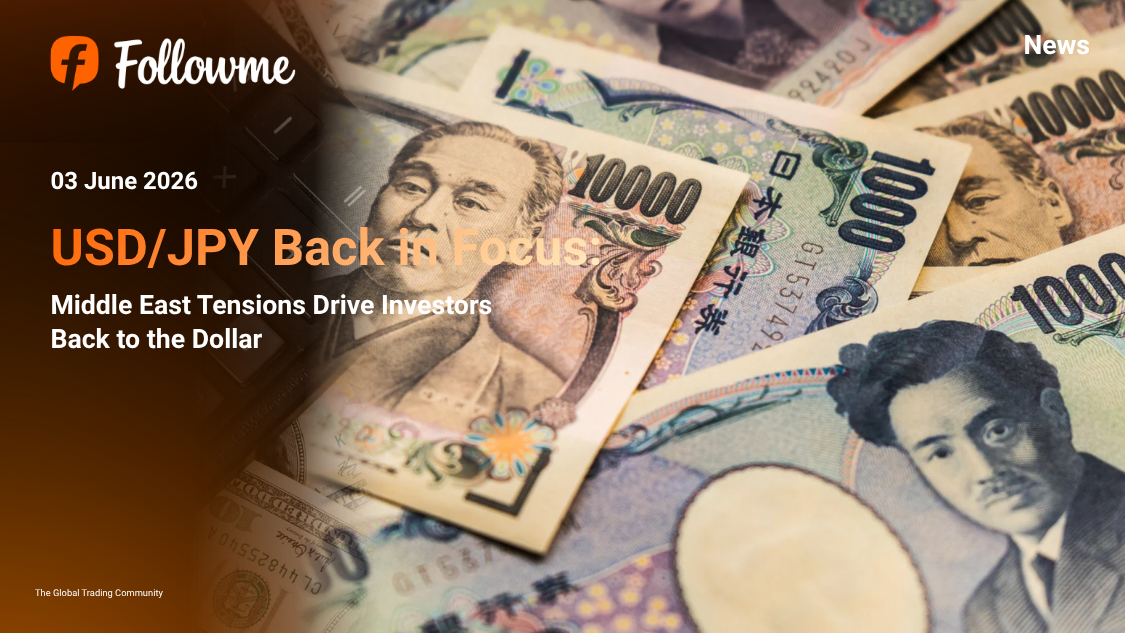
The Japanese yen has once again come under intense pressure, slipping toward the critical 160-per-dollar level as renewed hostilities in the Middle East drive investors toward safe-haven assets. With diplomatic negotiations between the United States and Iran showing little progress and military actions escalating across the Gulf region, market sentiment has shifted firmly into risk-off territory.
USD/JPY Approaches a Critical Intervention Zone
This price zone carries significant importance because Japanese authorities have previously intervened in the foreign exchange market to support the yen when weakness became excessive. Just one month ago, Tokyo reportedly spent approximately ¥11.7 trillion to stabilize its currency after similar depreciation pressures emerged.
As USD/JPY approaches this threshold once again, traders are increasingly asking whether Japanese policymakers will step in for another round of intervention.
Market participants should closely monitor:
• Official comments from Japan's Ministry of Finance
• Statements from the Bank of Japan
• Unusual price reversals in USD/JPY
Rising Oil Prices Add More Pressure on the Yen
Another factor contributing to the yen's weakness is the surge in oil prices.
Japan remains heavily dependent on imported energy. As crude oil prices climb amid Middle East disruptions, the country's import costs increase, creating additional economic strain and weakening support for the Japanese currency.
Higher energy prices also have broader implications for global inflation. As transportation and production costs rise, central banks may find it more difficult to ease monetary policy, potentially keeping interest rates elevated for longer than markets previously expected.
Japan remains heavily dependent on imported energy. As crude oil prices climb amid Middle East disruptions, the country's import costs increase, creating additional economic strain and weakening support for the Japanese currency.
Higher energy prices also have broader implications for global inflation. As transportation and production costs rise, central banks may find it more difficult to ease monetary policy, potentially keeping interest rates elevated for longer than markets previously expected.
What Copy Traders Should Watch Right Now
Rather than focusing solely on individual trades, traders should pay attention to how top-performing investors adapt to changing macroeconomic conditions. The combination of geopolitical risks, central bank expectations, and commodity price movements demonstrates why understanding broader market themes remains essential for long-term success.
Some of the most closely watched instruments this week include:
Some of the most closely watched instruments this week include:
• USD/JPY
• EUR/USD
• GBP/USD
• XAU/USD
• Brent Crude Oil
These assets are likely to remain highly sensitive to both geopolitical developments and economic data releases throughout the week.
Want to stay ahead of major macro developments that move the Forex market?
👉Follow Followme and check out the Weekly Economic Calendar
Download Followme Application


Follow us on:


면책 조항: 본 게시글에 표현된 견해는 전적으로 작성자의 견해이며 Followme의 공식 입장을 대변하지 않습니다. Followme는 제공된 정보의 정확성, 완전성 또는 신뢰성에 대해 책임을 지지 않으며, 서면으로 명시적으로 언급되지 않는 한 해당 내용을 기반으로 취해진 어떠한 조치에 대해서도 책임을 지지 않습니다.
이 글이 마음에 드시나요? 작성자에게 팁을 보내 감사의 마음을 전하세요.

