


Markets are starting the new week with one topic dominating everything else – the sharp escalation in the Middle East and its direct impact on energy routes. Tension spiked after US and Israeli strikes on Iran over the weekend, followed by retaliatory launches across the region. The key market focus is the Strait of Hormuz: with traffic heavily disrupted, traders are pricing a supply shock into oil and a broad rise in geopolitical risk.
🛢️ Oil is the main pressure point. Brent jumped as high as $82.37 before easing back, while WTI also spiked early and then pulled off the highs. Even after the initial surge cooled, the move remains large enough to keep global risk appetite on the defensive. The Strait of Hormuz is crucial for global energy flows, so markets will keep reacting to any headline on shipping conditions and the duration of disruptions.
⛽ OPEC+ is trying to calm the market, but the signal is modest. The group agreed to lift output targets by 206,000 bpd from April, which may help at the margin, yet it does not fully offset the uncertainty around logistics and security in the Gulf.
🪙 Gold is back in demand as a safe haven, pushing up to around $5,350/oz as investors hedge escalation risk and potential inflation spillovers via energy prices.
📉 Equities are cautious, with futures pointing lower in early trading as higher energy costs and geopolitical uncertainty weigh on sentiment. The market is also watching whether the shock stays “energy-only” or starts hitting broader growth expectations.
💱 FX is moving with risk mood. Commodity-linked currencies are holding up better than the traditional safe havens in early flows, while the yen is soft after comments from BoJ leadership reinforced a gradual approach to policy normalisation.
₿ bitcoin is volatile but holding the mid-$60,000s area, with traders treating it more like a risk asset in the first wave of reaction to the weekend’s headlines.
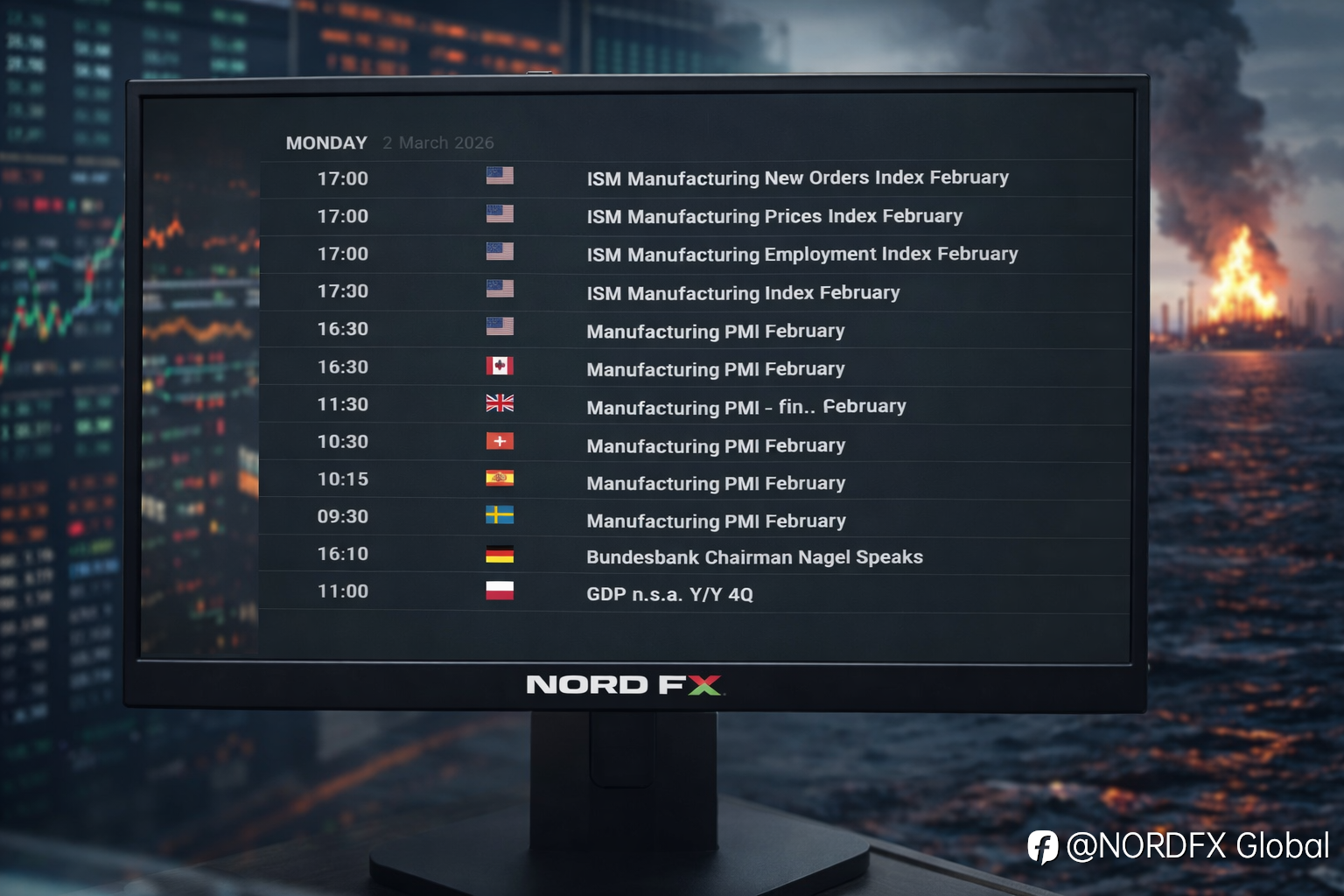
📆 What to watch today: the market will be highly headline-driven, but scheduled data (especially US manufacturing releases) can still add fuel to intraday swings – particularly if it changes the rate outlook at a time when oil is already tightening financial conditions.
Stay sharp, manage risk, and keep an eye on the calendar – volatility can cut both ways. ✅
면책 조항: 본 게시글에 표현된 견해는 전적으로 작성자의 견해이며 Followme의 공식 입장을 대변하지 않습니다. Followme는 제공된 정보의 정확성, 완전성 또는 신뢰성에 대해 책임을 지지 않으며, 서면으로 명시적으로 언급되지 않는 한 해당 내용을 기반으로 취해진 어떠한 조치에 대해서도 책임을 지지 않습니다.

더 오래된 의견은 없습니다. 소파를 가장 먼저 잡으십시오.