



India’s ₹28,000-Crore Fintech Shock: What Traders Must Check
India’s fintech boom has a dark flip side: A new Enforcement Directorate (ED) analysis says Chinese-linked syndicates used instant-loan apps and crypto rails to siphon roughly ₹28,000 crore (~US$3.4B) from users across more than 20 states. It’s a wake-up call for anyone using trading, forex, or investing apps: The very user journeys that make digital finance fast and convenient are being weaponized at scale.
The core mechanics are straightforward and repeatable. Small “instant cash” loans are dangled through slick mobile apps; onboarding is fast, fees can chew up a third of the principal, and repayment windows run in days, not months. Once the app is on a user’s phone, high-risk permissions (contacts, photos, messages) enable harassment and coercion if payments slip. From there, money moves through mule accounts—disposable bank accounts opened with fake or lightly-screened KYC—before being converted into crypto and sent abroad. This loan-app → mule-account → crypto exit is the pattern Indian police and ED teams say they’ve been tracing this year across multiple states. 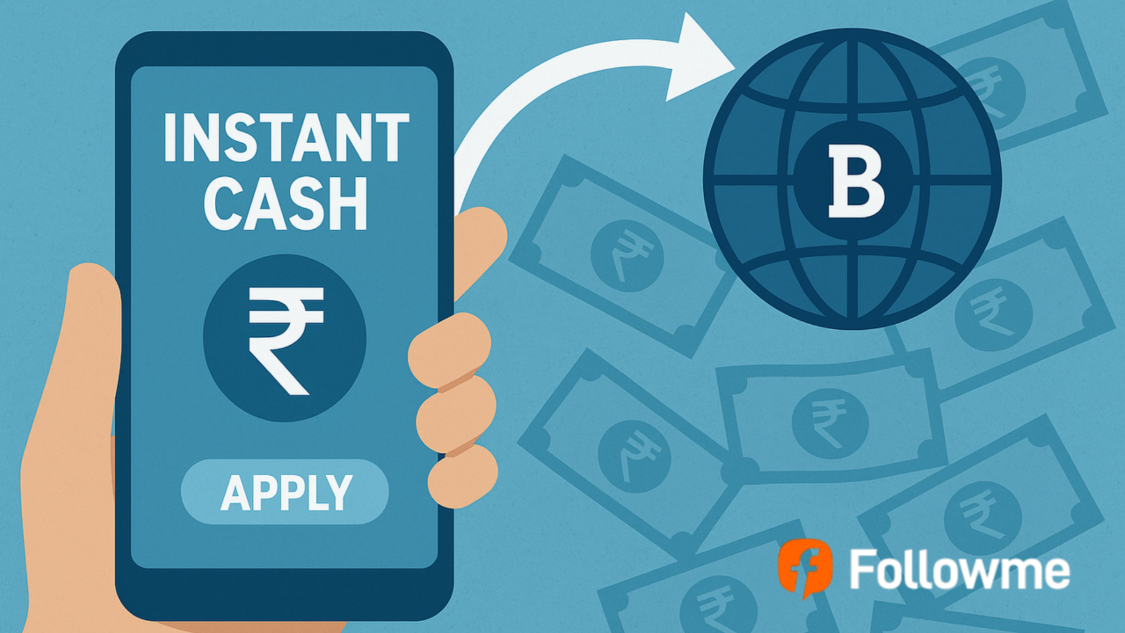
Courts are putting numbers to the “plumbing.” In a Kerala High Court matter tied to a Chinese loan-app cluster, the bench recorded evidence that an accused helped procure 289 mule bank accounts and arranged cryptocurrency accounts, with remittances traced to foreign wallets—an unusually concrete snapshot of how account factories feed the laundering layer. Earlier ED press material out of the same regional cluster cited hundreds of mule accounts, harassment using scraped contact lists, and blackmail via morphed images and details that match the permissions-abuse borrowers reported nationwide.
For the trading, forex and fintech community, the overlap is practical, not theoretical. At the front end, the funnels look like legitimate finance: Instant onboarding, “Daily ROI” or “Instant approval” language, and influencer-style social proof. The divergence happens behind the interface with unlicensed or misused entities instead of regulated brokers, pooled or misdirected funds instead of segregated custody, and withdrawal friction masked as “unlock fees,” cool-offs or forced conversions.
That confusion is why reputable social-trading and brokerage platforms need to over-communicate what good looks like: Visible licenses, named custodians, auditable performance methods, and predictable, testable withdrawals.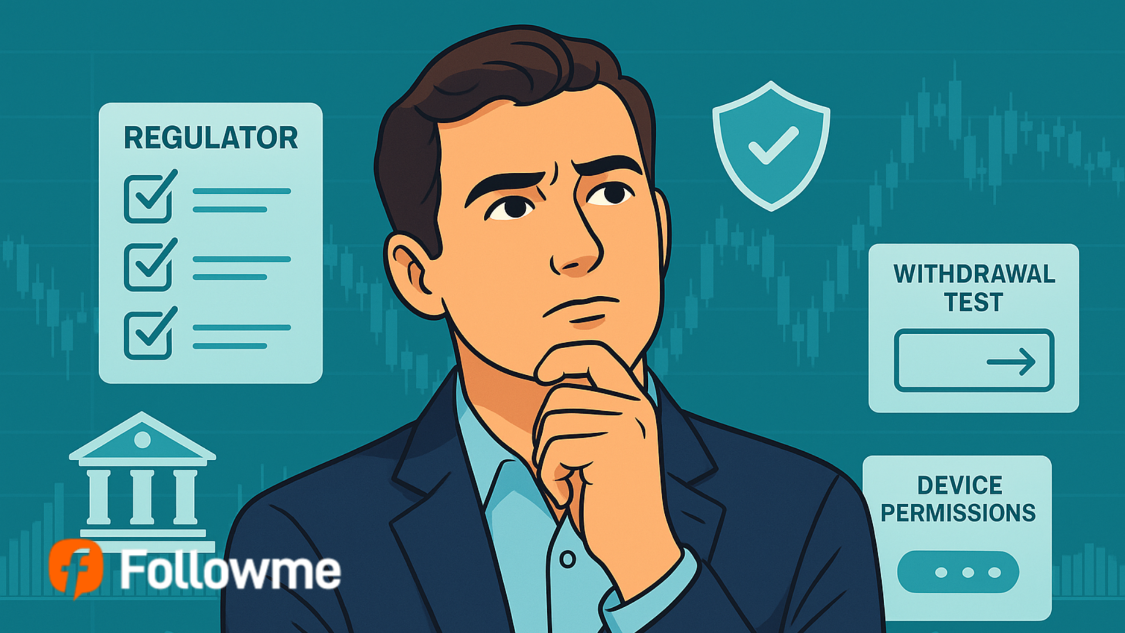
-Stay informed, stay safe-
Check out key economic events that move markets this week here: https://www.followme.com/c/238...
면책 조항: 본 게시글에 표현된 견해는 전적으로 작성자의 견해이며 Followme의 공식 입장을 대변하지 않습니다. Followme는 제공된 정보의 정확성, 완전성 또는 신뢰성에 대해 책임을 지지 않으며, 서면으로 명시적으로 언급되지 않는 한 해당 내용을 기반으로 취해진 어떠한 조치에 대해서도 책임을 지지 않습니다.

- 끝 -