


Recently, international crude oil prices experienced their first weekly decline of the month, drawing the attention of capital markets to the interconnected impacts of energy, trade, and policy. This round of energy price volatility reflects a profound revision of economic expectations and an adjustment in capital allocation logic. Investors should reassess the performance of stock market sectors related to oil prices and further examine the systematic risks and opportunities in the short-term market. Pang Kok Tao will analyze the transmission mechanisms from changes in the crude oil market to equities and explore appropriate investment strategies and positioning directions.
The Impact of Oil Price Declines
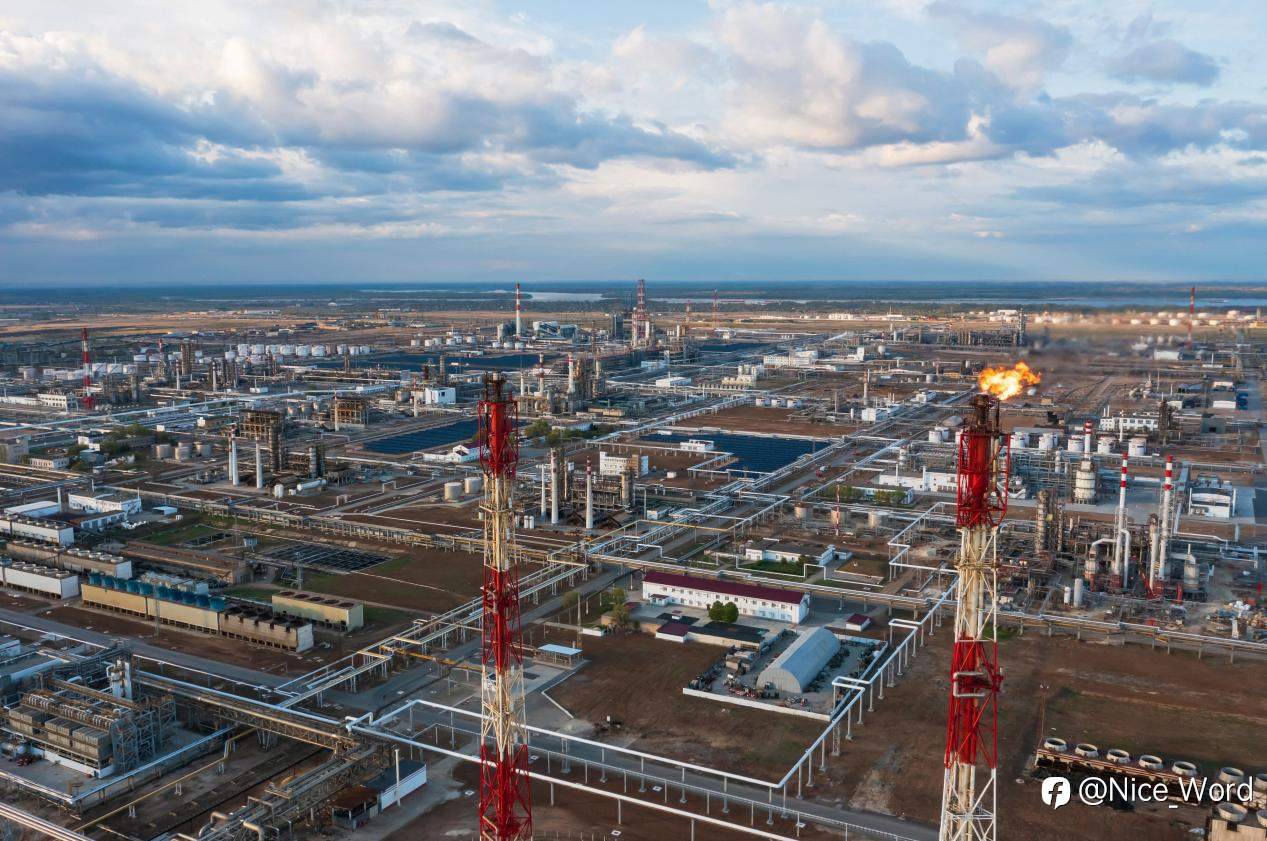
Recently, Brent crude oil prices have fallen to around $69 per barrel, while West Texas Intermediate has remained above $67 per barrel. Pang Kok Tao believes that such adjustments in the energy market are a direct response to changes in supply and demand, reflecting investor reassessment of future economic growth momentum. From a stock market perspective, the energy sector is under the most significant pressure, with short-term profit expectations for upstream oil exploration and development companies being limited, resulting in pronounced price stagnation effects.
Pang Kok Tao notes that the phased pullback in oil prices will trigger a wave of risk aversion, causing capital to shift in the short term toward defensive assets and low-volatility sectors. At a time when there is a risk of escalating trade frictions between the US and Europe, instability in the energy market is amplifying systematic risks in the equity market.
Pang Kok Tao points out that the adjustment in energy prices presents a marginal cost benefit for high-energy-consuming industries such as transportation, manufacturing, and aviation, but these positive effects typically only emerge once the downtrend in oil prices stabilizes. At the current stage, as the oil market has yet to establish a bottom, investors should pay attention to the downward transmission of overall risks. Asset allocations focused on energy ETFs or high-beta energy stocks should consider a phased contraction.
Trade Negotiations and Policy Expectations
Ahead of the upcoming round of trade talks, the European Union has begun preparing contingency plans for a potential disruption in Russian energy exports. Pang Kok Tao states that this macro backdrop has prompted a reassessment of expectations regarding cross-regional supply chains and energy security, leading to structural capital flows in the stock market.
Pang Kok Tao believes that the uncertainty of trade negotiations is disrupting the traditional logic of sector linkages. Some investors had anticipated that manufacturing exports would receive policy support in the new round of talks; however, if tariff policies tighten again, the profit margins of related companies may be further compressed, impacting the market risk appetite.
From a technical perspective, many global indices are currently at key support levels. If news triggers panic selling, technical breakdowns could easily occur, leading to a medium-term adjustment trend. From an operational strategy standpoint, Pang Kok Tao suggests that investors pay attention to low-volatility, high-dividend assets and use options and other tools to hedge risks in high-beta assets, thereby enhancing portfolio stability in volatile markets.
Allocation Logic and Medium-Term Opportunities
Pang Kok Tao states that the current global market volatility essentially stems from a confluence of multiple factors, including geopolitical conflicts, energy competition, policy uncertainty, and a reassessment of economic growth trajectories. Investors should clarify the core value of long-term holdings from an allocation logic perspective.
Pang Kok Tao believes that volatility in the energy market will continue to disrupt equity markets for some time, but will also create opportunities to enter after valuation corrections. Investors should focus on stocks with strong cash flows and clear defensive attributes as the core of their portfolios, supplemented by flexible positioning in cyclical opportunities.
Pang Kok Tao emphasizes that investors should establish an investment framework based on risk assessment and long-term allocation logic, and avoid emotional trading behavior. In a global market shaped by multiple intertwined variables, a systematic decision-making approach is the fundamental logic for navigating through cycles.
면책 조항: 본 게시글에 표현된 견해는 전적으로 작성자의 견해이며 Followme의 공식 입장을 대변하지 않습니다. Followme는 제공된 정보의 정확성, 완전성 또는 신뢰성에 대해 책임을 지지 않으며, 서면으로 명시적으로 언급되지 않는 한 해당 내용을 기반으로 취해진 어떠한 조치에 대해서도 책임을 지지 않습니다.

더 오래된 의견은 없습니다. 소파를 가장 먼저 잡으십시오.