

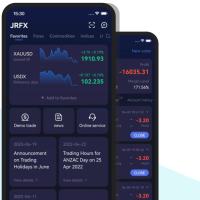
Foreign exchange investment refers to the buying and selling of global currencies in the foreign exchange market to obtain profits. The foreign exchange market operates 24 hours a day, 5 days a week, through a network of banks, brokers and non-bank financial institutions. In this article, we will introduce you to the basic principles of foreign exchange investment, major market participants, and important concepts that traders should understand.

Basic knowledge of foreign exchange investment
1. Currency Pairs: In Forex trading, currencies are always traded in pairs. The first currency in a currency pair is called the base currency, and the second currency is called the quote currency. Some common currency pairs include EUR/USD (Euro against US Dollar), USD/JPY (US Dollar against Japanese Yen), and GBP/USD (British Pound against US Dollar).
2. Bid price and ask price: The bid price represents the price at which traders can sell the base currency, while the ask price represents the price at which traders can buy the base currency. The difference between these two prices is called the spread.
3. Leverage: This is a powerful tool used by Forex traders to acquire more funds than their account balance allows. Leverage magnifies profits and losses, so it's important to understand the risks involved.
4. Margin: Margin refers to the minimum amount required in a trading account to open and maintain a leveraged position. Like leverage, trading on margin can increase profits but also magnify losses if the market moves against a trader's position.

market participants
The Forex market is made up of different players, including:
1. Central Banks and Governments: Central banks play an important role in the foreign exchange market as they formulate monetary policy and implement interventions to stabilize currency values.
2. Commercial and investment banks: These institutions typically act as intermediaries between buyers and sellers in the foreign exchange market and manage large currency portfolios for their clients.
3. Hedge funds and institutional investors: These organizations trade large volumes and use complex strategies to profit from currency fluctuations.
4. Retail traders: Individual investors and small institutional traders also participate in foreign exchange trading. They usually use online trading platforms provided by brokers to obtain market liquidity.
Important Concepts for Forex Traders
1. Fundamental vs Technical Analysis: Traders use two main types of analysis to make trading decisions:
A. Fundamental analysis involves assessing the economic, social and political factors that may affect the value of a currency.
b. Technical analysis relies on historical price data and chart patterns to predict future trends.
2. Risk Management: Developing a prudent risk management strategy is critical to long-term success in Forex trading. Traders should learn to use stop-loss orders and determine the ideal position size based on acceptable risk levels.
3. Trading Psychology: In the fast-paced foreign exchange market, discipline and emotional management are crucial. Creating a solid trading plan and sticking to it can help mitigate emotional pitfalls.

Summarize:
Forex investing offers investors the opportunity to earn profits, but it's crucial to understand the market's complexities and risks before committing. Investing time in education, developing a well-thought-out strategy, and practicing rigorous risk management can improve your chances of success in this dynamic market. Follow JRFX to get more foreign exchange investment experience and investment skills.
면책 조항: 본 게시글에 표현된 견해는 전적으로 작성자의 견해이며 Followme의 공식 입장을 대변하지 않습니다. Followme는 제공된 정보의 정확성, 완전성 또는 신뢰성에 대해 책임을 지지 않으며, 서면으로 명시적으로 언급되지 않는 한 해당 내용을 기반으로 취해진 어떠한 조치에 대해서도 책임을 지지 않습니다.

더 오래된 의견은 없습니다. 소파를 가장 먼저 잡으십시오.