


If you run a business, the more trades you engage in, the better it is. It indicates that consumers like or accept the products you offer, leading to increased profits that you can reinvest in expanding your business.
However, this principle doesn't hold true for trading. When you execute too many trades, it's considered a problem that can result in losses. This is known as Overtrading, where you conduct an excessive number of trades within a specific timeframe.
Why is overtrading seen as an issue? Doesn't more trading theoretically mean more profits?
In theory, it's true that conducting more trades provides more opportunities to generate profits. Actually, overtrading isn't always a problem if you stick to your trading rules and plan.
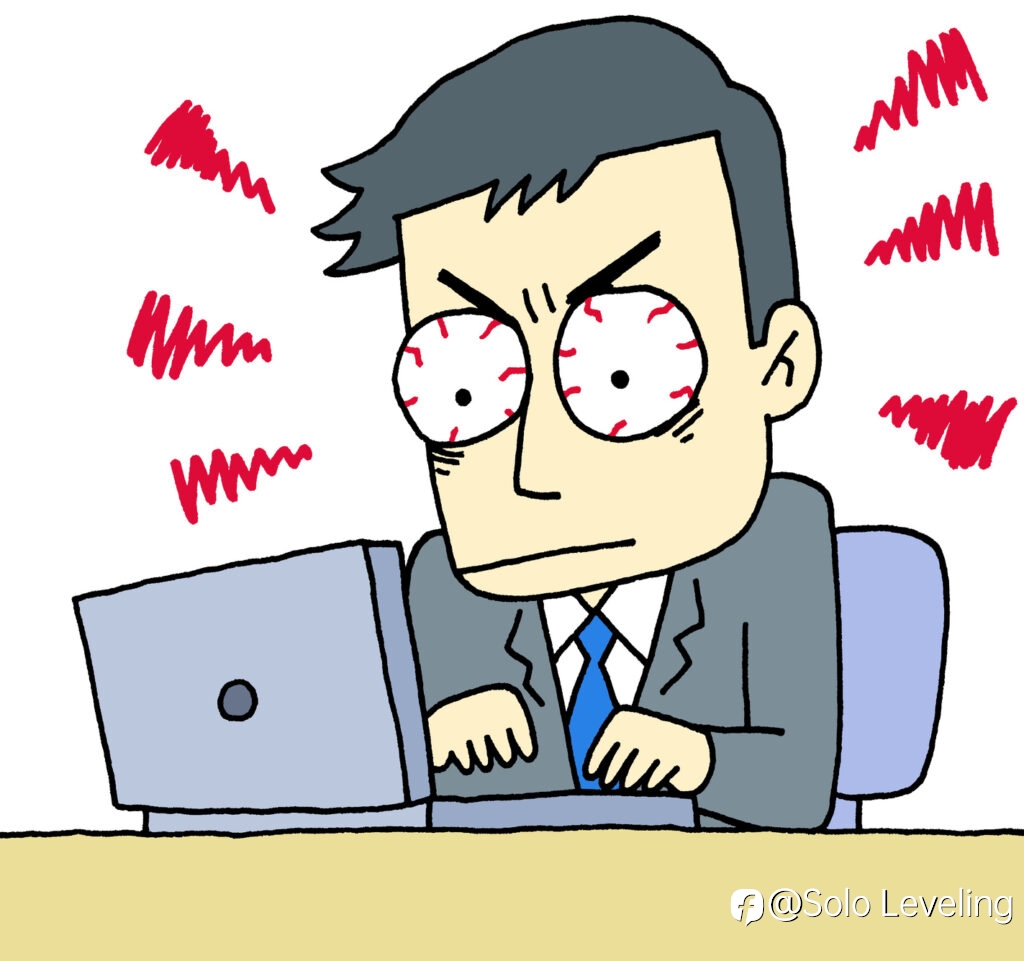
Overtrading becomes problematic when it's driven by emotions. For instance, after experiencing a substantial loss, you may attempt to make as many trades as possible to recover quickly. When emotional impulses dictate your trading decisions, you may disregard your trading plan and rules, leading to uncontrollable trades.
Furthermore, excessive trading poses the risk of mental exhaustion. You might overlook the success rate of a given opportunity and even take chances with low success rates, significantly reducing the probability of profitable trades.
And that's why the term "overtrading" exists. It serves as a reminder to avoid getting trapped in emotional impulses and prevents you from experiencing psychological fatigue due to excessive trading, ensuring your trading performance remains optimal.
So, how can you avoid falling into overtrading?
To steer clear of overtrading, the easiest way is to limit the number of trades you make within each period. For example, you could set a maximum of only 5 trades per day. This means that even if numerous trading opportunities arise in the market, you will only execute 5 transactions.
On the other hand, the more challenging approach involves understanding your psychological state. You need to identify whether specific emotions are influencing your decisions or if you are experiencing mental fatigue. If that's the case, it's crucial to stop trading until you're back in a balanced state.
#OPINIONLEADER# #trading# #FX# #Tradingpsychology# #forextrading#
편집됨
면책 조항: 본 게시글에 표현된 견해는 전적으로 작성자의 견해이며 Followme의 공식 입장을 대변하지 않습니다. Followme는 제공된 정보의 정확성, 완전성 또는 신뢰성에 대해 책임을 지지 않으며, 서면으로 명시적으로 언급되지 않는 한 해당 내용을 기반으로 취해진 어떠한 조치에 대해서도 책임을 지지 않습니다.

