


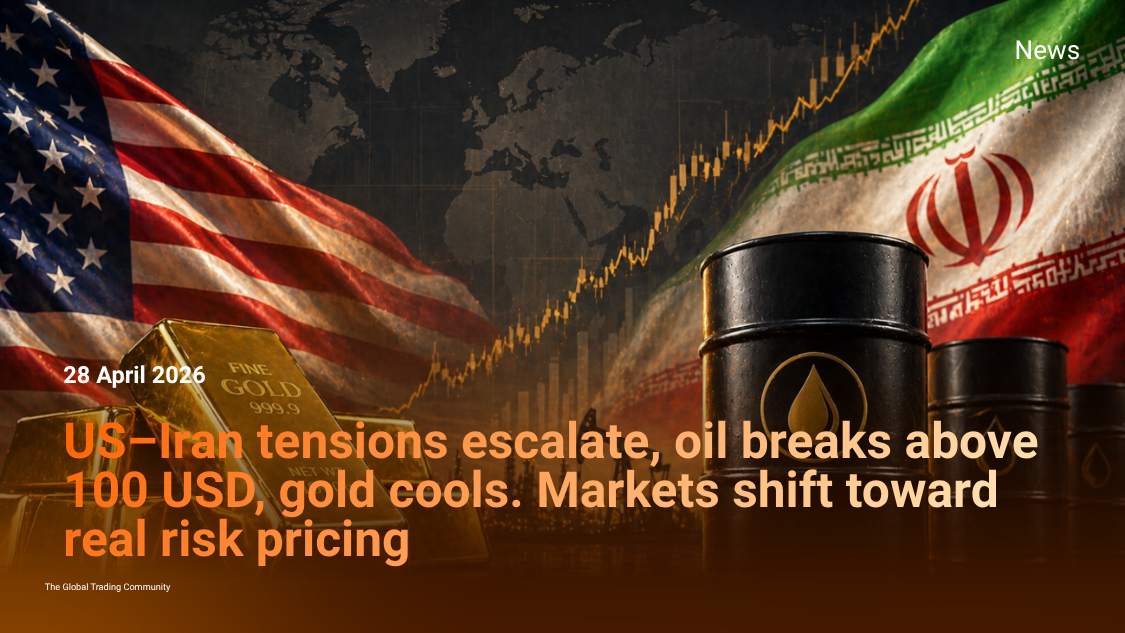
Geopolitics: Escalation intensifies with greater-than-expected damage
Recent developments indicate that the US–Iran conflict is entering a more complex phase, as Iranian attacks have caused significantly greater damage than initially disclosed by the United States. Reports suggest that multiple US military bases in the Middle East have been targeted on a broad scale, with damages potentially reaching billions of dollars.
These attacks are not merely symbolic but have directly impacted US military capabilities and logistics in the region, increasing the risk of further escalation and prolonging the conflict. Meanwhile, negotiations remain stalled, with both sides maintaining hardline positions and continuing military actions.
Notably, the Strait of Hormuz remains a critical hotspot, where disruptions to shipping have driven up energy costs and added pressure to global supply chains.
Macro: Inflation returns but central banks remain on hold, keeping markets range-bound
Beyond geopolitics, markets are also influenced by the return of inflationary pressures, primarily driven by rising energy prices as oil moves above 100 USD. This has raised concerns about cost pressures spreading across the economy, although the current level is not yet strong enough to trigger a sustained inflation cycle.
In this environment, major central banks such as the Federal Reserve and European Central Bank continue to maintain a cautious stance and are not rushing to adjust policy. As a result, markets remain in a “wait-and-see” mode, with capital rotating across assets rather than forming a clear directional trend, keeping Forex largely range-bound despite ongoing volatility.
Gold: Pulls back to around 4600 but safe-haven demand persists
Despite the recent pullback, gold remains at elevated levels, indicating that safe-haven flows have not exited the market but have shifted into a more cautious and selective stance. This suggests that investors are reassessing actual risk levels rather than reacting purely to headlines.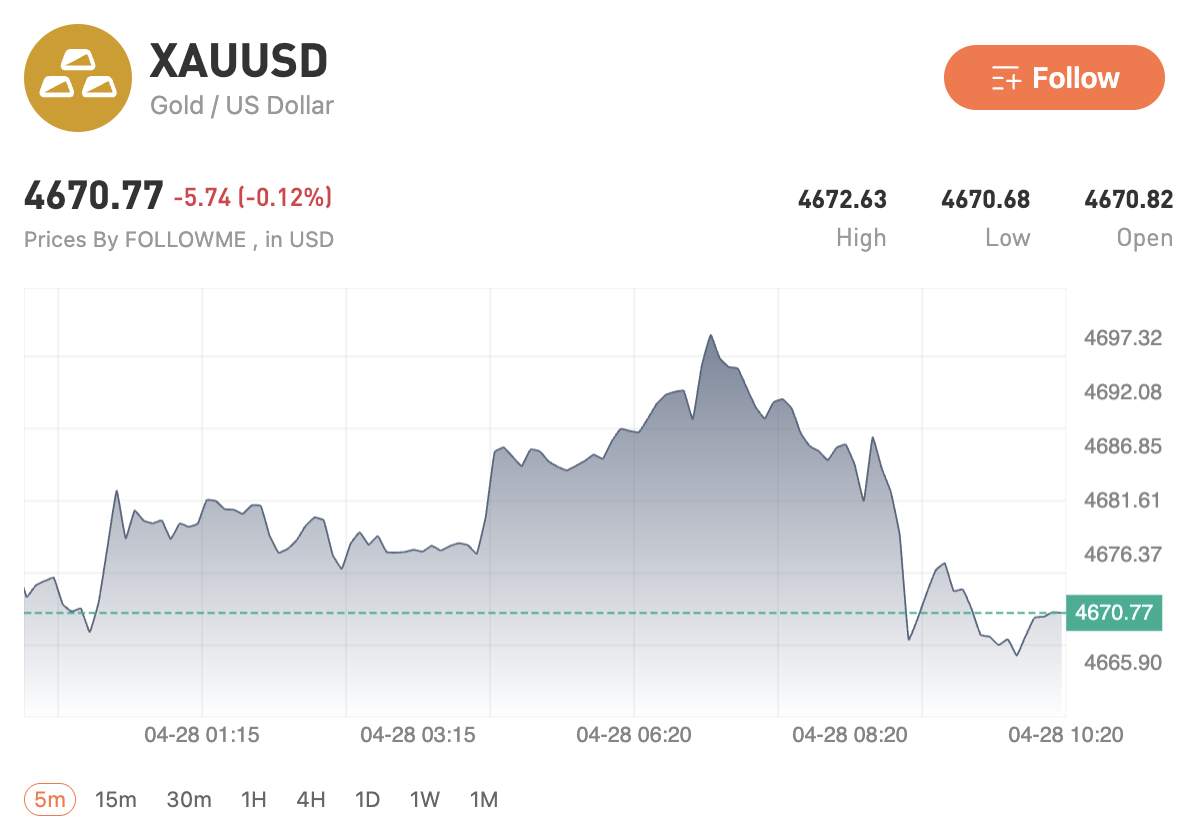
Oil: Brent rises above 100 USD on supply risks and US inventory drawdowns
Brent crude oil has moved above 100 USD per barrel, marking a clear shift in how markets price risk. The rally is driven not only by geopolitical tensions in the Middle East but also by declining fuel inventories in the United States, which have heightened concerns about short-term supply shortages. This suggests that oil markets are transitioning from expectation-driven moves to pricing in real supply-demand dynamics, making the trend more sustained.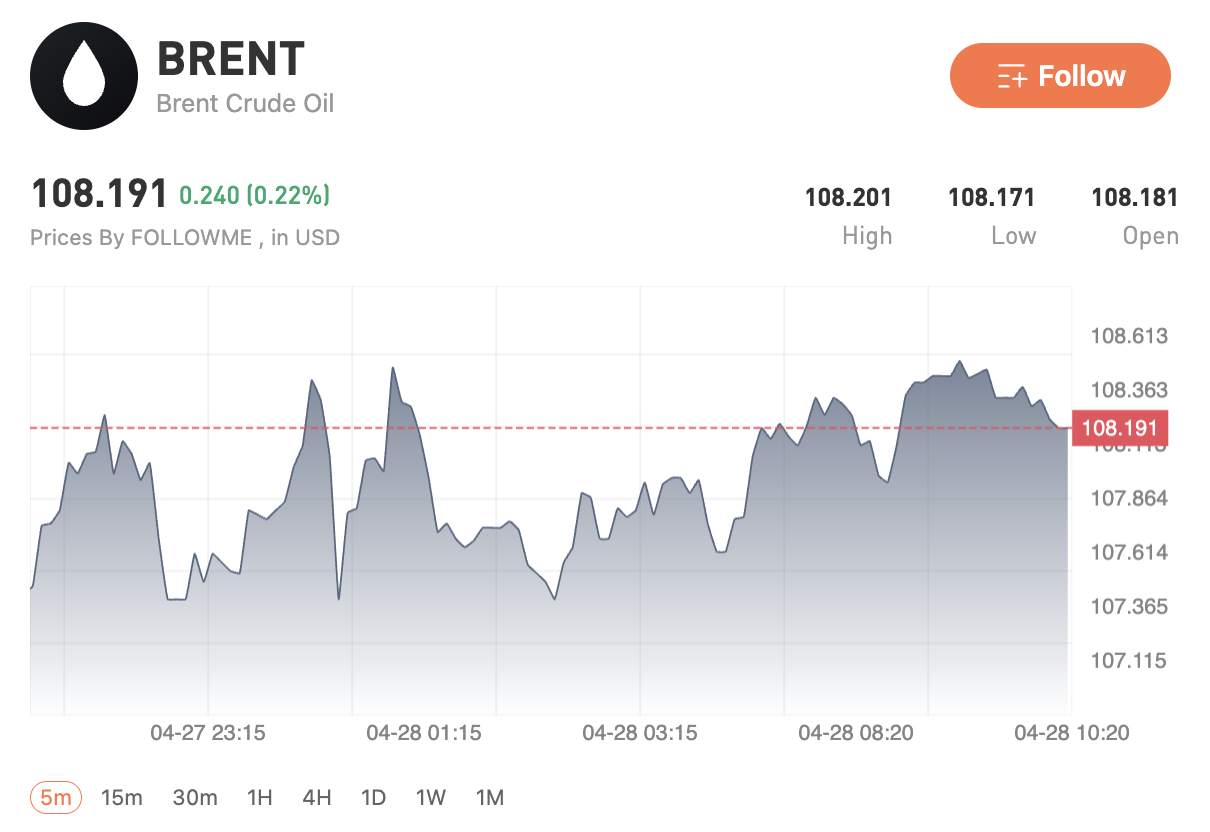
USD & monetary policy: Remains stable amid uncertainty
The U.S. Dollar Index (DXY) holds around 105–106, reinforcing the dollar’s role as a key defensive asset. At the same time, markets continue to be influenced by monetary policy expectations, with major central banks, particularly the Federal Reserve, maintaining a cautious stance in response to inflation risks linked to rising energy prices.
Market Overview
The market is entering a repricing phase, where gold’s pullback toward 4700 reflects easing panic, oil breaking above 100 USD signals that supply risks are being more clearly priced in, and the US dollar remains stable amid unchanged monetary policy expectations. This creates a market environment where both geopolitical and macroeconomic factors drive trends simultaneously, but in a more selective and differentiated manner rather than broad, synchronized moves.
Want to stay ahead of major macro developments that move the Forex market?
👉Follow Followme and check out the Weekly Economic Calendar




면책 조항: 본 게시글에 표현된 견해는 전적으로 작성자의 견해이며 Followme의 공식 입장을 대변하지 않습니다. Followme는 제공된 정보의 정확성, 완전성 또는 신뢰성에 대해 책임을 지지 않으며, 서면으로 명시적으로 언급되지 않는 한 해당 내용을 기반으로 취해진 어떠한 조치에 대해서도 책임을 지지 않습니다.

더 오래된 의견은 없습니다. 소파를 가장 먼저 잡으십시오.