


· Views 328

#10FCOINGiveaway# Read and LIKE to grab 10 FCOIN!
How to Use the Relative Strength Index to Identify Elliott Wave Patterns
If you're new to Elliott Wave analysis, one common question might be: How do I determine when a wave has ended amidst constant price fluctuations? In addition to using trendlines, the Relative Strength Index (RSI) is a valuable tool for this purpose.
Understanding RSI
The Relative Strength Index (RSI) is a momentum oscillator used in technical analysis to measure the speed and change of price movements. Developed by J. Welles Wilder Jr. in 1978, RSI helps identify overbought or oversold conditions by fluctuating between zero and 100.
Traditionally, an RSI reading above 70 suggests an overbought market, while a reading below 30 indicates an oversold condition. However, RSI is more than just an indicator of market extremes; it can also signal potential trend reversals or corrective pullbacks.
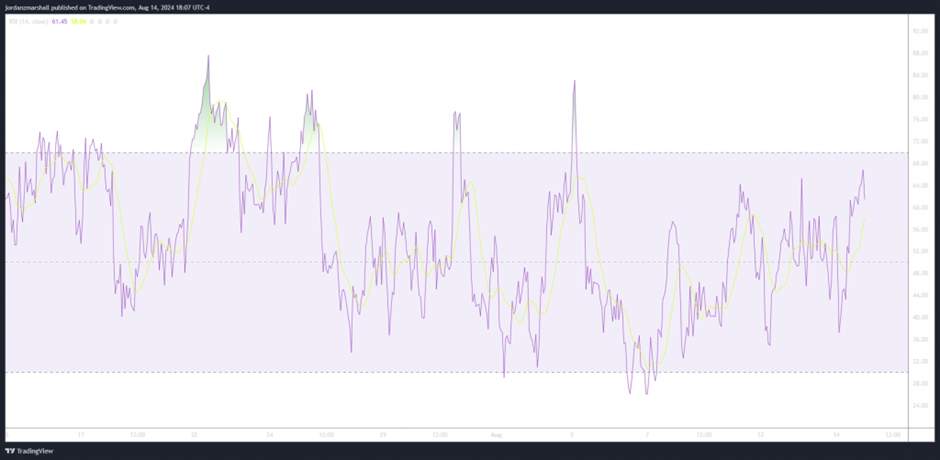
Utilizing RSI for Elliott Wave Analysis
To identify Elliott Waves, observe how RSI trends in relation to price movements. RSI can often precede price in breaking trendlines, providing clues about the end of one wave and the beginning of another. The key is to draw trendlines using multiple supporting lows. Generally, RSI trends upwards with higher highs and higher lows, while downtrends consist of lower lows and lower highs.
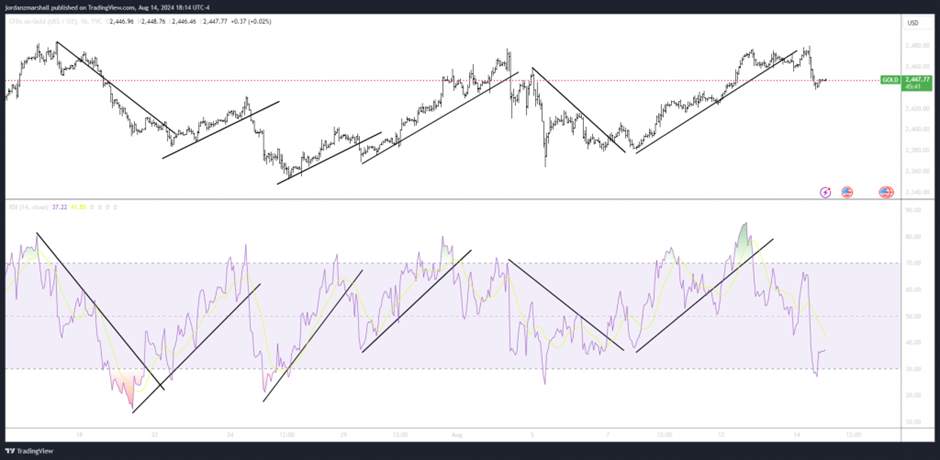
Insert Chart: Waves Moving with RSI
P.S: Comment your feelings could get 20 FCOIN!
면책 조항: 본 게시글에 표현된 견해는 전적으로 작성자의 견해이며 Followme의 공식 입장을 대변하지 않습니다. Followme는 제공된 정보의 정확성, 완전성 또는 신뢰성에 대해 책임을 지지 않으며, 서면으로 명시적으로 언급되지 않는 한 해당 내용을 기반으로 취해진 어떠한 조치에 대해서도 책임을 지지 않습니다.
이 글이 마음에 드시나요? 작성자에게 팁을 보내 감사의 마음을 전하세요.

더 오래된 의견은 없습니다. 소파를 가장 먼저 잡으십시오.