

-
Introduction
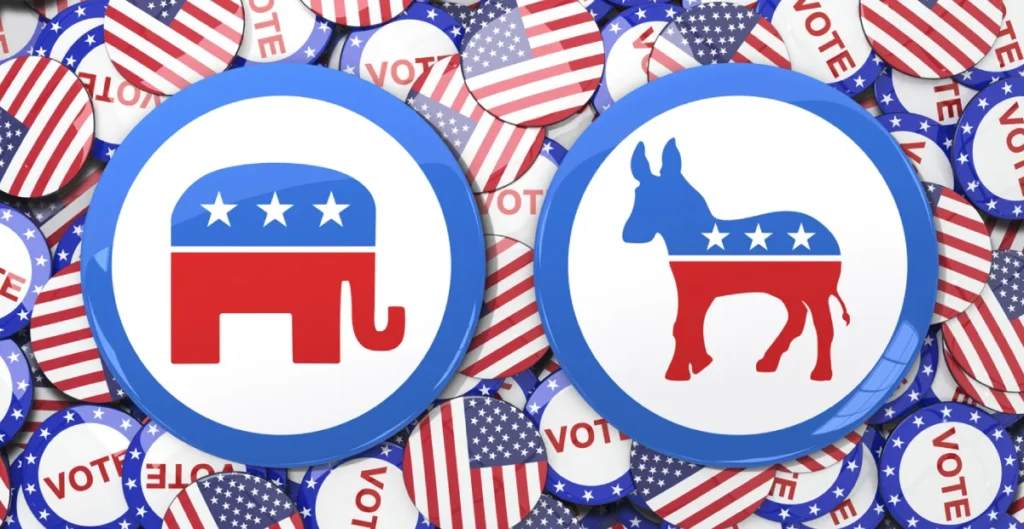
The US Presidential election 2024 is shaping up to be one of the most critical events in recent history, not only in politics but also within the monetary markets. Investors, traders, and residents know how election outcomes affect financial policy, markets, and emotional and economic well-being. This article explains what to expect from the imminent election and how it could affect the marketplace.
-
When is the Next US Election?
The next US election is scheduled for November 5, 2024. This date marks the result of a series of primaries, caucuses, and conventions throughout the year. The procedure begins with primary elections and caucuses in numerous states, where every celebration’s candidates compete to win delegates. These delegates will then vote at their respective national conventions to officially nominate their party’s presidential candidate.
The primaries generally begin in early February with the Iowa caucuses and amplify through June. Each country’s primary or caucus enables the delegates for the national party conventions, generally held in July or August, where the final presidential candidates are officially nominated.
-
Major Candidates and Their Platforms
As of mid-2024, the major applicants in the US Presidential Election are anticipated to come from the Democratic and Republican parties, with possible significant third-party candidate applicants additionally entering the fray. The Democratic candidate, Kamala Harris, and the Republican candidate, Donald Trump, are anticipated to be the number one contenders.
Democratic Candidate
Kamala Harris, or doubtlessly a leading challenger, will focus on persevering with or revising modern management’s policies. Key areas include healthcare reform, climate change initiatives, tax regulations for wealth redistribution, and social justice issues. For instance, proposals will amplify the Affordable Care Act, implement stricter emissions rules, or increase taxes on the rich to fund social applications.
Republican Candidate
The leading Republican candidate, Donald Trump, will possibly emphasize monetary growth through tax cuts, deregulation, a sturdy stance on immigration, and a focus on countrywide protection and regulation enforcement. They might advocate lowering corporate taxes, rolling back regulatory measures on businesses, strengthening border security, and growing defence spending.
Real-life Example: In the 2020 election, candidates Donald Trump and Joe Biden substantially differed, mainly regarding healthcare, tax policy, and climate change. Similar stark contrasts are predicted in 2024, shaping voter alternatives and market expectations.
면책 조항: 본 게시글에 표현된 견해는 전적으로 작성자의 견해이며 Followme의 공식 입장을 대변하지 않습니다. Followme는 제공된 정보의 정확성, 완전성 또는 신뢰성에 대해 책임을 지지 않으며, 서면으로 명시적으로 언급되지 않는 한 해당 내용을 기반으로 취해진 어떠한 조치에 대해서도 책임을 지지 않습니다.

더 오래된 의견은 없습니다. 소파를 가장 먼저 잡으십시오.