


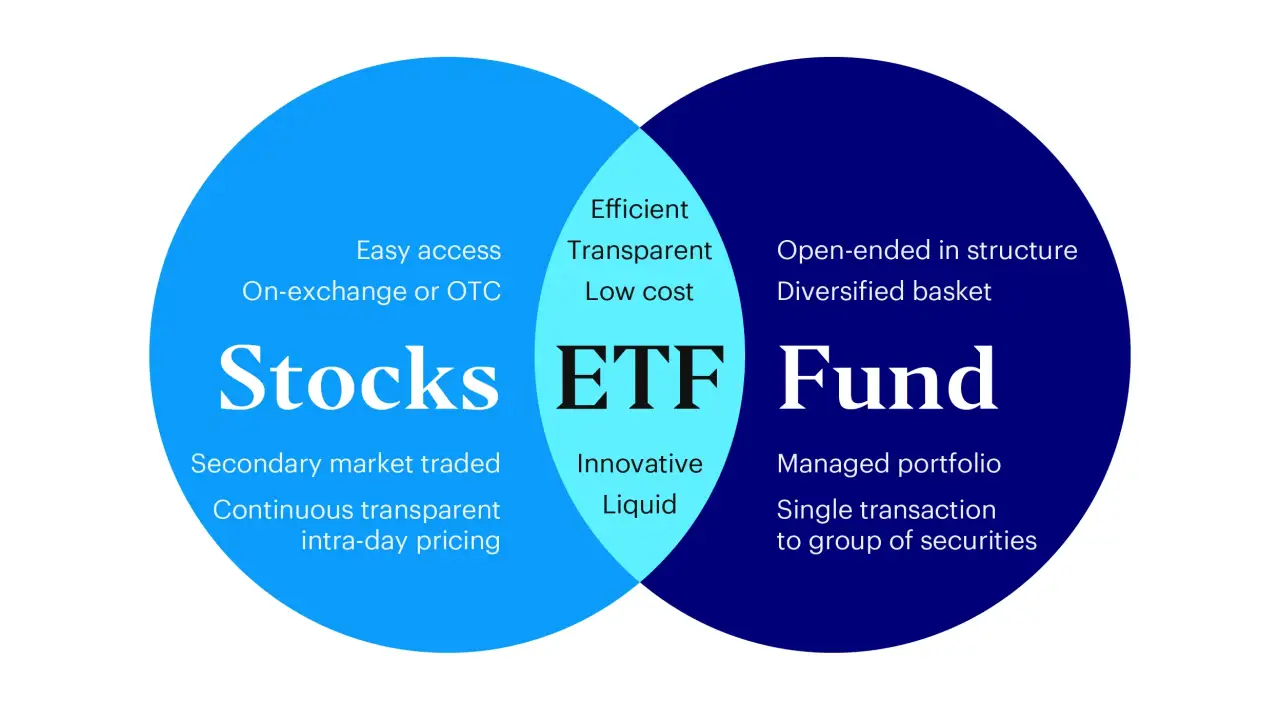
An ETF, or Exchange-Traded Fund, is a type of investment fund that is traded on stock exchanges just like individual stocks. ETFs are designed to track the performance of a specific index, commodity, or basket of assets. For example, a stock market ETF may aim to replicate the performance of a particular stock index, such as the S&P 500. A well-known version of this is SPY. A commodity ETF might track the price of gold or oil, while a bond ETF could follow the performance of a specific bond index.
ETFs have largely replaced mutual funds, which somehow continue to exist as a way to extract fees from unsophisticated investors. Investing in an ETF allows you to gain exposure to a wide range of assets without needing to purchase each individual security yourself. This can provide diversification, and can also be a more cost-effective way of investing than buying each security individually.
Leveraged ETFs can be a powerful tool for investors looking to amplify their returns, but they come with significant downsides that investors need to be aware of. Here are a few of the main risks and drawbacks of leveraged ETFs:
1. Increased risk: Leveraged ETFs use derivatives and borrowed money to amplify returns, which can also magnify losses. This means that leveraged ETFs are generally riskier than traditional ETFs and can be subject to greater volatility.
2. Tracking error: Because leveraged ETFs are designed to provide returns that are a multiple of the underlying index, they need to rebalance their holdings daily to maintain this leverage. However, this daily rebalancing can lead to tracking errors, where the ETF's returns deviate from what you might expect based on the underlying index's performance.
3. Long-term underperformance: Because of the daily rebalancing required to maintain leverage, leveraged ETFs can underperform over the long term, especially in volatile or choppy markets.
4. Higher expenses: Leveraged ETFs are more expensive to manage than traditional ETFs, as they require more active management due to the daily rebalancing. This can lead to higher expense ratios and trading costs, which can eat into returns over time.
Overall, leveraged ETFs can be an effective tool for short-term trading strategies, but they are generally not suitable for long-term buy-and-hold investing due to their higher risk and expenses. Investors should carefully consider their investment objectives, risk tolerance, and time horizon before investing in leveraged ETFs.
면책 조항: 본 게시글에 표현된 견해는 전적으로 작성자의 견해이며 Followme의 공식 입장을 대변하지 않습니다. Followme는 제공된 정보의 정확성, 완전성 또는 신뢰성에 대해 책임을 지지 않으며, 서면으로 명시적으로 언급되지 않는 한 해당 내용을 기반으로 취해진 어떠한 조치에 대해서도 책임을 지지 않습니다.

더 오래된 의견은 없습니다. 소파를 가장 먼저 잡으십시오.