
How to Read a Forex Quote
Currencies are always quoted in pairs, such as GBP/USD or USD/JPY.
The reason they are quoted in pairs is that, in every foreign exchange transaction, you are simultaneously buying one currency and selling another.
Base and Quote Currency
Whenever you have an open position in forex trading, you are exchanging one currency for another.
Currencies are quoted in relation to other currencies.
Here is an example of a foreign exchange rate for the British pound versus the U.S. dollar:
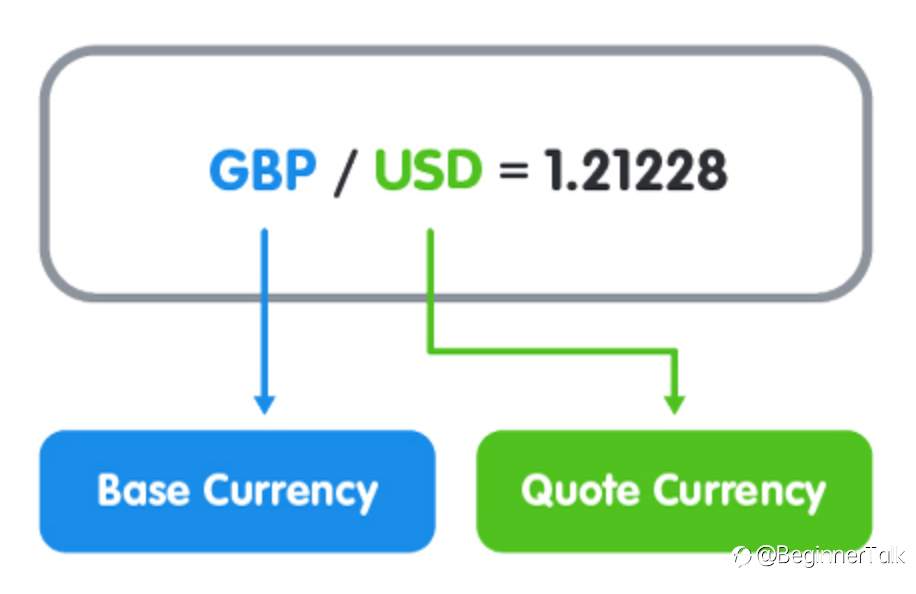
The first listed currency to the left of the slash (“/”) is known as the base currency (in this example, the British pound).
The base currency is the reference element for the exchange rate of the currency pair. It always has a value of one.
The second listed currency on the right is called the counter or quote currency (in this example, the U.S. dollar).
When buying, the exchange rate tells you how much you have to pay in units of the quote currency to buy ONE unit of the base currency.In the example above, you have to pay 1.21228 U.S. dollars to buy 1 British pound.
When selling, the exchange rate tells you how many units of the quote currency you get for selling ONE unit of the base currency.
In the example above, you will receive 1.21228 U.S. dollars when you sell 1 British pound.
The base currency represents how much of the quote currency is needed for you to get one unit of the base currency
If you buy EUR/USD this simply means that you are buying the base currency and simultaneously selling the quote currency.
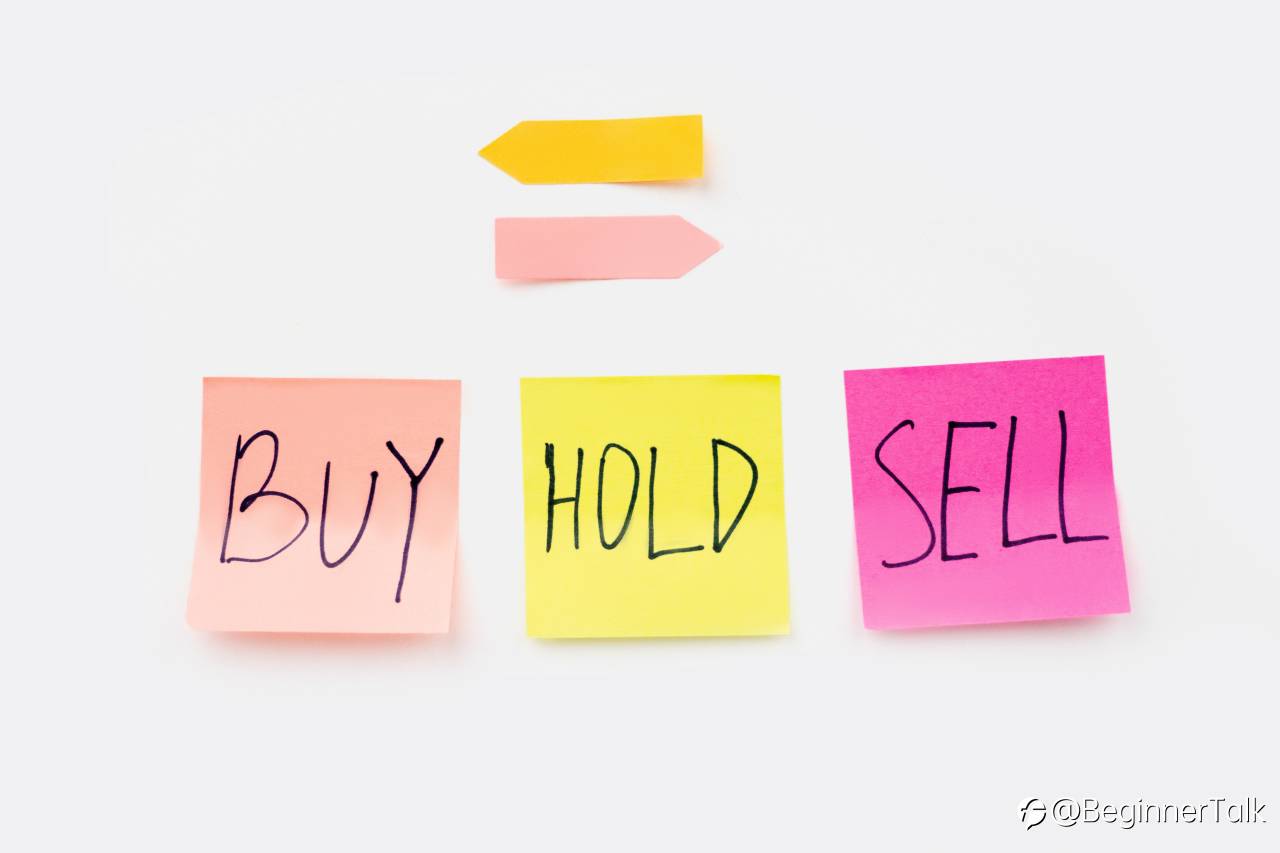
“Long” and “Short”
First, you should determine whether you want to buy or sell.
If you want to buy (which actually means buy the base currency and sell the quote currency), you want the base currency to rise in value and then you would sell it back at a higher price.
In trader talk, this is called “going long” or taking a “long position.” Just remember: long = buy.
If you want to sell (which actually means sell the base currency and buy the quote currency), you want the base currency to fall in value and then you would buy it back at a lower price.
This is called “going short” or taking a “short position”.
Just remember: short = sell.
Flat or Square
If you have no open position, then you are said to be “flat” or “square”.
Closing a position is also called “squaring up“.
The Bid, Ask and Spread
All forex quotes are quoted with two prices: the bid and ask.
In general, the bid is lower than the ask price.
What is “Bid”?
The bid is the price at which your broker is willing to buy the base currency in exchange for the quote currency.
This means the bid is the best available price at which you (the trader) can sell to the market.
If you want to sell something, the broker will buy it from you at the bid price.
What is “Ask”?
The ask is the price at which your broker will sell the base currency in exchange for the quote currency.
This means the ask price is the best available price at which you can buy from the market.
Another word for ask is the offer price.
If you want to buy something, the broker will sell (or offer) it to you at the ask price.
What is “Spread”?
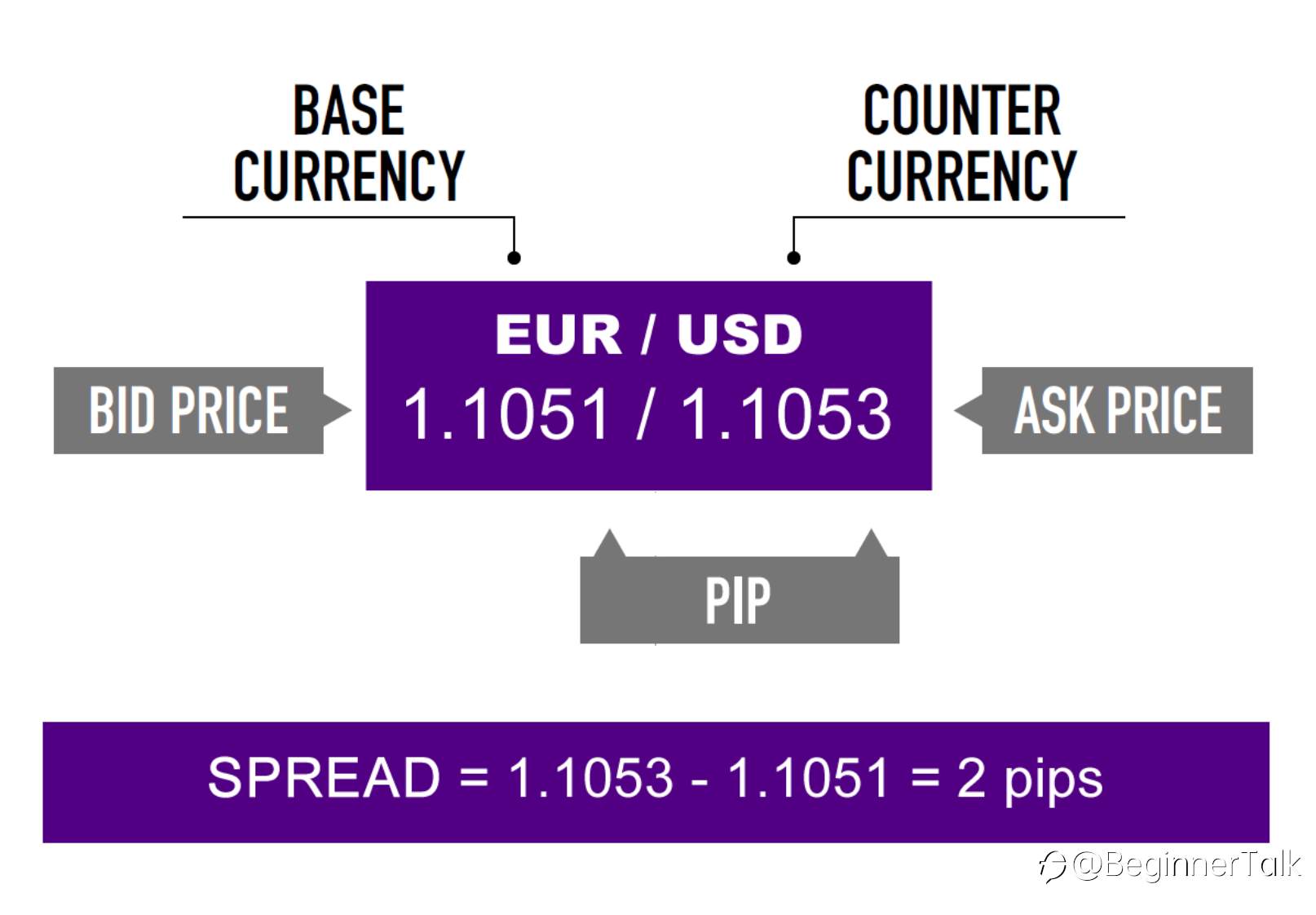
The difference between the bid and the ask price is known as the SPREAD.
On the EUR/USD quote above, the bid price is 1.34568 and the ask price is 1.34588. Look at how this broker makes it so easy for you to trade away your money.
- If you want to sell EUR, you click “Sell” and you will sell euros at 1.34568.
- If you want to buy EUR, you click “Buy” and you will buy euros at 1.34588.
Here’s an illustration that puts together everything we’ve covered in this lesson:
Reprinted from Babypips,the copyright all reserved by the original author.
#BeginnerTalk#
편집됨
면책 조항: 본 게시글에 표현된 견해는 전적으로 작성자의 견해이며 Followme의 공식 입장을 대변하지 않습니다. Followme는 제공된 정보의 정확성, 완전성 또는 신뢰성에 대해 책임을 지지 않으며, 서면으로 명시적으로 언급되지 않는 한 해당 내용을 기반으로 취해진 어떠한 조치에 대해서도 책임을 지지 않습니다.

더 오래된 의견은 없습니다. 소파를 가장 먼저 잡으십시오.