

U.S. Treasury bond volatility has fallen to near record lows, however, the historical trend of the past ten years reminds interest rate traders to be wary of the safety illusion caused by this quiet summer market;
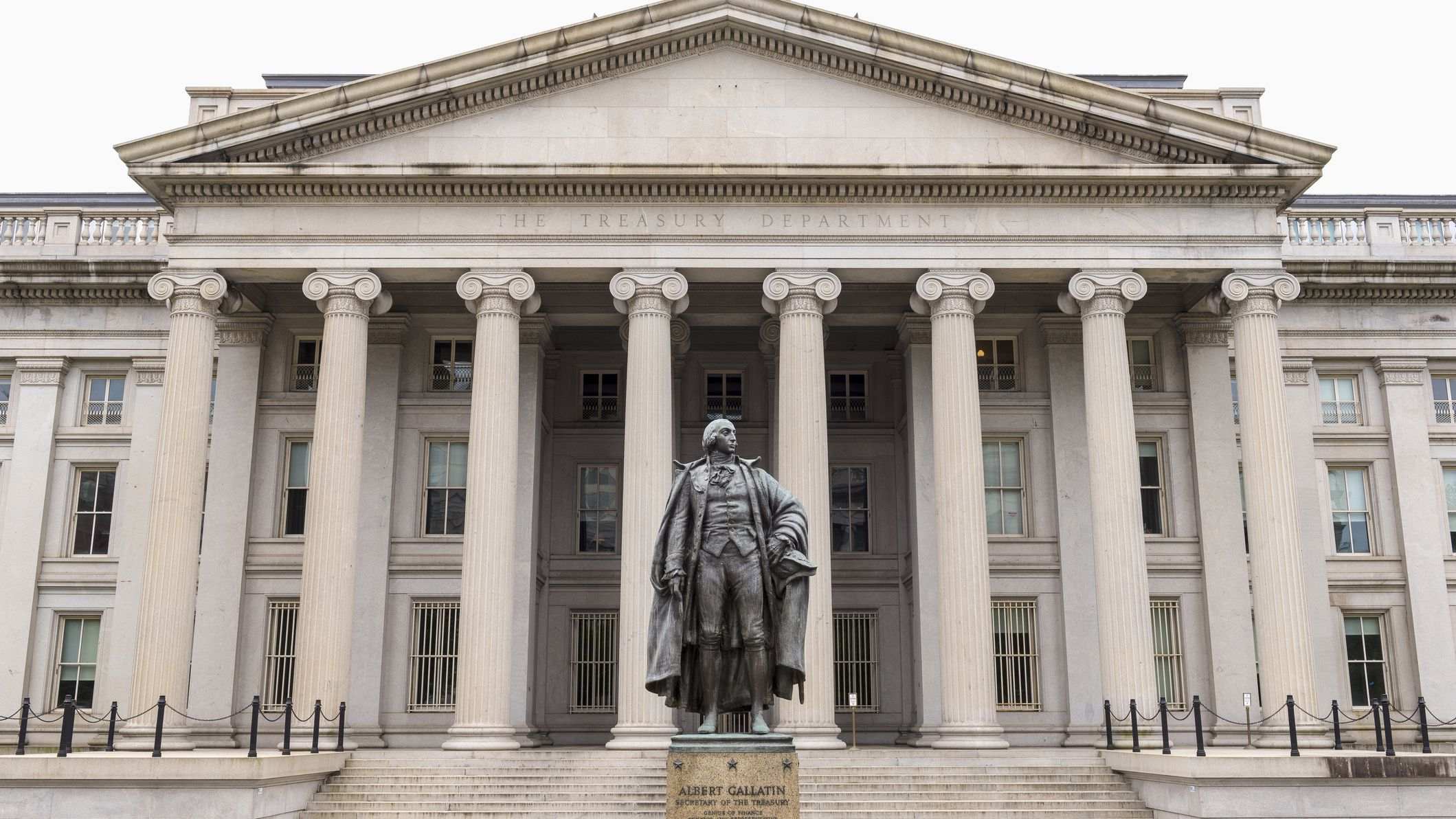
Analysis by Michael Chang, director of interest rate research at Société Générale. Since 2010, the volatility of longer-term US Treasury bonds has tended to pick up in August. Some traders go to the longest end of the curve in order to profit from this lifeless market, which poses a risk for them;
Chang said, if the long-end interest rate remains range-bound, short-selling volatility will definitely have the greatest potential profit, but this is not certain. The August volatility rise mode is evidenced by facts, especially last year when transactions were very thin, concerns about trade frictions caused U.S. bond yields to fall;
The stability of long-term U.S. bond yields will largely depend on the Fed’s next move. So far, the Fed's purchase of Treasury bonds cleared more duration from the market. However, this balance may change when the scale of bond issuance is expected to vary. The US Treasury Department will announce the refinancing plan on August 5, or confirm this expectation;
If the U.S. government approves a new round of stimulus package of $1 trillion or more, unless the Fed promises to support longer-term Treasury bonds, both 10-year and 30-year Treasury yields may climb. Invested the U.S. Treasury Market Volatility Benchmark Index – Harley Bassman, a private investor in the ICE Bank of America MOVE Index, holds this view.
면책 조항: 본 게시글에 표현된 견해는 전적으로 작성자의 견해이며 Followme의 공식 입장을 대변하지 않습니다. Followme는 제공된 정보의 정확성, 완전성 또는 신뢰성에 대해 책임을 지지 않으며, 서면으로 명시적으로 언급되지 않는 한 해당 내용을 기반으로 취해진 어떠한 조치에 대해서도 책임을 지지 않습니다.

더 오래된 의견은 없습니다. 소파를 가장 먼저 잡으십시오.